






The Al Quaa Desert in Abu Dhabi offers an unforgettable experience, from its vast, tranquil dunes to its world-famous, star-filled night skies. However, this breathtaking beauty comes with a very real challenge: its soft, unpredictable sands are a hotspot for vehicles getting stuck. What begins as an exciting adventure can quickly turn into a stressful situation without the right knowledge.
This complete guide will walk you through everything you need to know about Al Quaa desert car recovery. We’ll cover why it happens, how to prevent it, the step-by-step self-recovery process, and crucially, what to do when you need to call in the professionals.
Why the Al Quaa Desert is a Car Recovery Challenge
Understanding the terrain is the first step to conquering it. Al Quaa isn’t your average desert; its unique features are what make it both spectacular and difficult for drivers.
The Sand of the “Empty Quarter”
Al Quaa lies on the edge of the Rub’ al Khali, or the Empty Quarter—the largest continuous sand desert on Earth. The sand here is exceptionally fine, soft, and constantly shifting. A dune that looks solid can collapse under your vehicle’s weight, making it easy for even experienced drivers to become stuck.
Extreme Remote Location
The magic of Al Quaa’s dark skies is due to its profound remoteness. You are far from city lights, paved roads, and any form of infrastructure. This isolation means there are no clear paths, making it easy to accidentally steer into a soft patch or a hidden dune, especially after sunset.
Zero Mobile Phone Service
This is the most critical risk factor. In the heart of Al Quaa, all mobile phone signals vanish. You cannot rely on making a standard call for help. This transforms a simple recovery job from a minor inconvenience into a potentially serious situation, highlighting the absolute necessity of being prepared.
Preparation is Power: How to Avoid Needing Recovery
The best recovery is the one you never have to perform. A well-prepared trip dramatically reduces your chances of getting stuck.
Your Vehicle Checklist
- 4×4 is Non-Negotiable: Do not attempt to drive to Al Quaa in a 2WD vehicle. You will get stuck. A proper 4×4 with high-clearance and low-range gearing is essential.
- Pre-Trip Inspection: Check your vehicle’s engine oil, coolant, brake fluid, and battery. Ensure your air conditioning is working, especially in the summer months.
- Full Tank of Fuel: The journey is long, and driving in sand consumes more fuel. Start with a full tank.
Essential Recovery Gear You MUST Carry
Think of this as your desert insurance policy. Never enter Al Quaa without this basic kit:
- A Sturdy Shovel: A long-handled shovel is your number one tool for digging out sand from around your tires and chassis.
- Traction Mats: These are modern-day lifesavers. When placed in front of or behind a stuck tire, they provide the necessary grip to drive out.
- Tire Pressure Gauge and Air Compressor: This is the most critical step for desert driving. Deflating your tires to 15-18 PSI dramatically increases their surface area, allowing your vehicle to “float” on top of the sand. The compressor is vital for re-inflating them when you hit the tarmac again.
- Fully Charged Power Bank: Your phone will drain quickly while using GPS. A power bank ensures you have a navigation and communication device for as long as possible.
- Reliable GPS Navigation: Use a dedicated GPS device or an offline GPS app on your phone (like Maps.me or Gaia GPS). Do not rely on mobile data for navigation.
The Golden Rules of Desert Travel
- Never Go Alone: The most important rule of off-roading. Always travel with at least one other capable 4×4 vehicle. You can recover each other if one gets stuck.
- Tell Someone Your Plan: Always inform a friend or family member of your planned route and your expected return time. If you don’t check in, they will know to alert authorities.
“I’m Stuck!” Your Step-by-Step Self-Recovery Action Plan
If your wheels start spinning, stay calm. Panic is your worst enemy. Follow these steps methodically.
Step 1: Stop Immediately
As soon as you feel the wheels losing grip and digging in, stop accelerating immediately. Continued spinning will only bury the vehicle deeper.
Step 2: Assess the Situation
Get out of the car and calmly assess the situation. How deep are the tires? Is the vehicle’s undercarriage resting on the sand (known as being “high-centered”)?
Step 3: Dig and Clear the Path
Use your shovel to clear sand away from all four tires, the front bumper, and the rear bumper. You need to create a gentle, clear ramp for each tire in the direction you intend to drive out.
Step 4: Deploy Your Traction Mats
Place your traction mats (or your car’s floor mats in an emergency) directly in front of the driven wheels. Ensure they are firmly embedded in the sand for maximum traction.
Step 5: Execute the Gentle Escape
- Straighten your steering wheel.
- Engage low-range gear (4L) if your vehicle has it.
- Apply the gentlest, most steady pressure on the accelerator. The goal is to crawl out smoothly. If you feel the wheels spinning again, stop and reassess.
When to Call for Professional Al Quaa Desert Car Recovery
Knowing when to call for help is a sign of a smart and safe driver. If you encounter any of the following, it’s time to call the professionals:
- All self-recovery attempts have failed.
- You are traveling alone without another vehicle to assist.
- The vehicle is severely high-centered or stuck at a dangerous angle.
- You don’t have the proper equipment or are not confident in your skills.
- Environmental conditions are deteriorating (e.g., a sandstorm or extreme heat).
Who to Call for Help in Abu Dhabi
Save these contacts in your phone before you embark on your trip:
- Abu Dhabi Police (999): In any genuine emergency where safety is at risk, dial 999. They have specialized off-road recovery units.
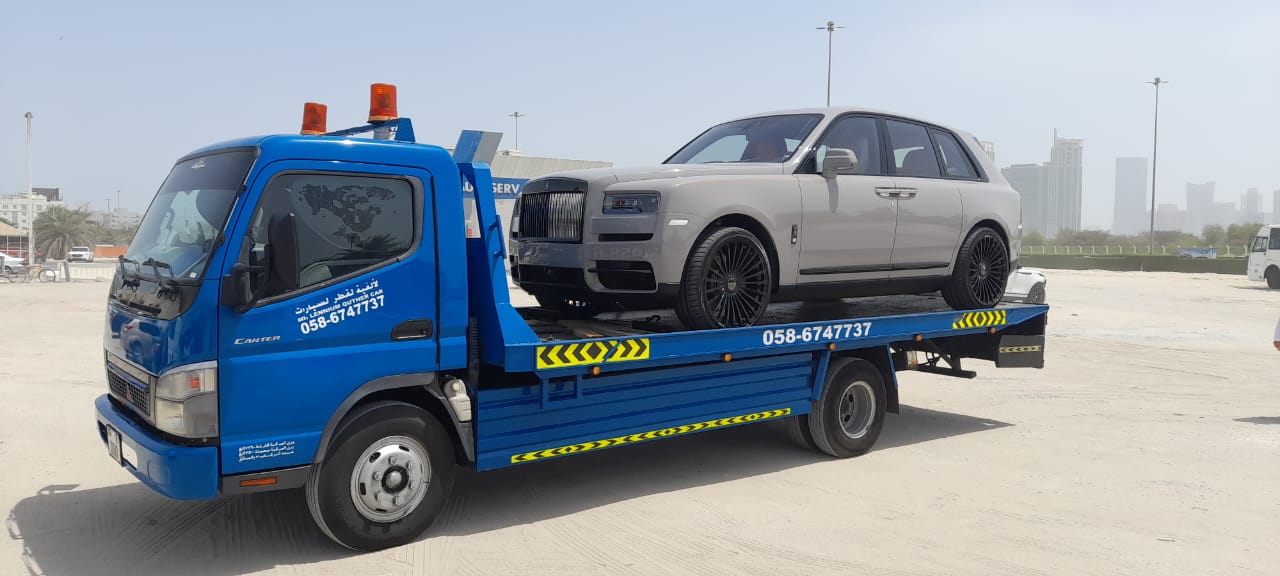
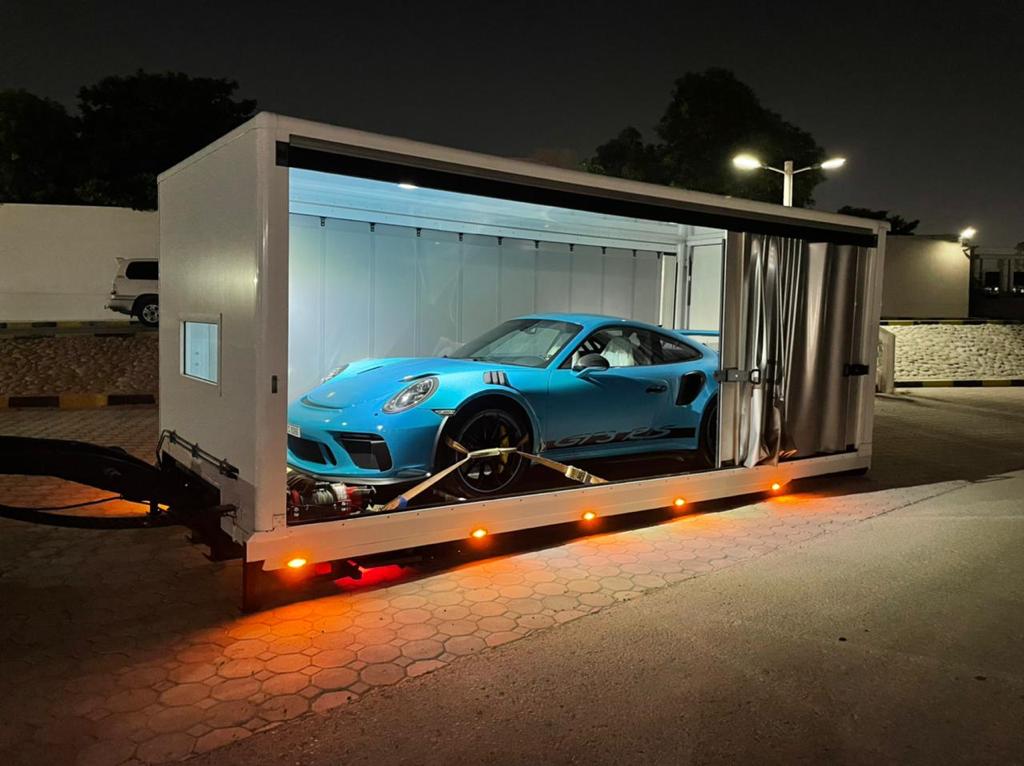
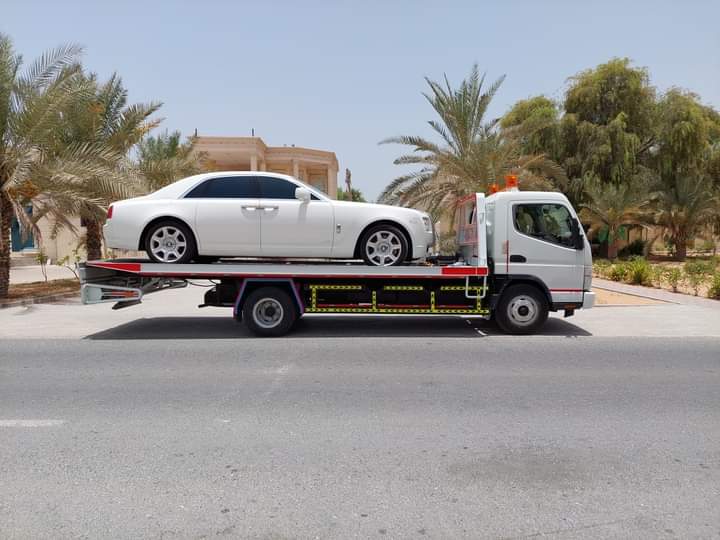
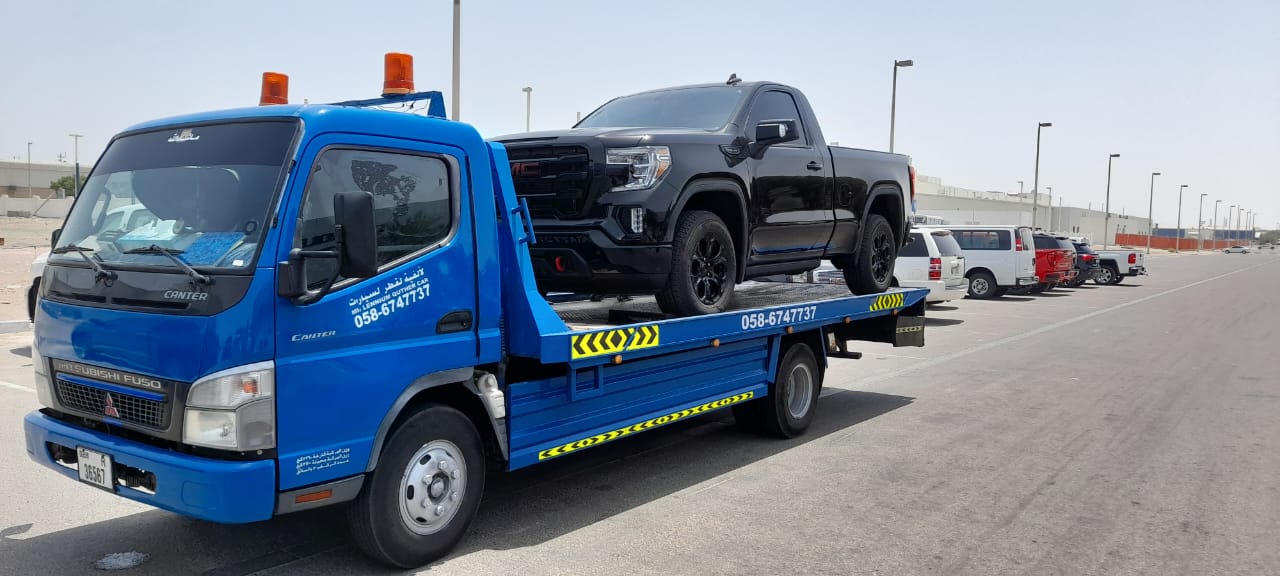
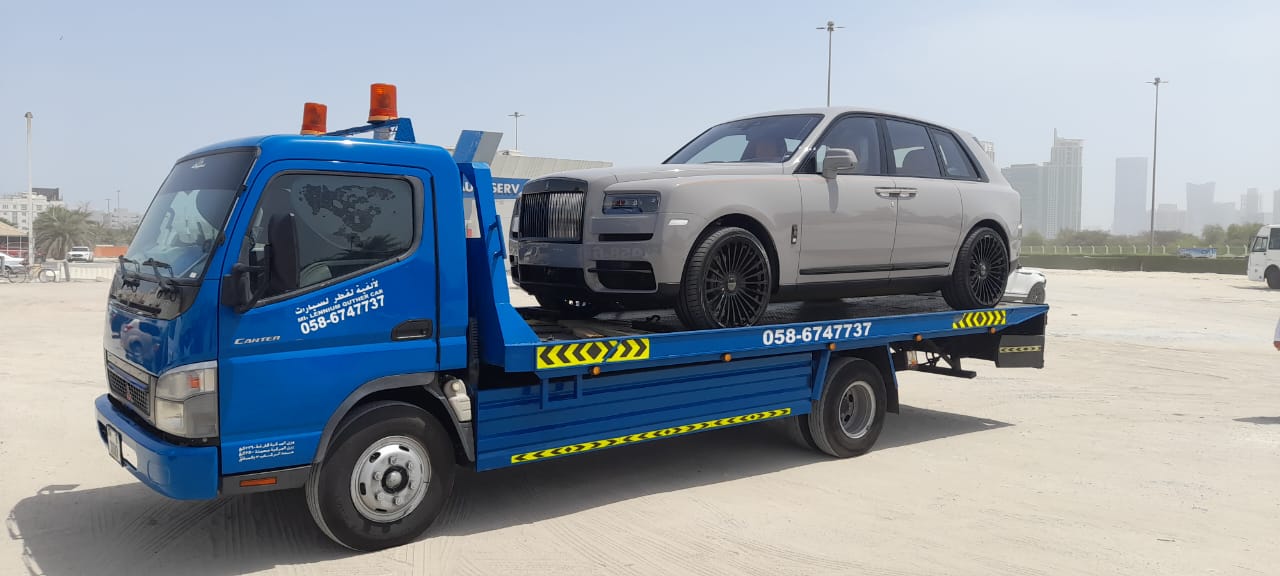
- Private Recovery Services: Search for and save numbers for reputable local companies. Look for names like “Off Road Recovery UAE,” “Desert Recovery Abu Dhabi,” or “24/7 Towing.” These experts are equipped with heavy-duty winches, tow trucks, and extensive local knowledge.
Your Communication Lifeline: Satellite Devices
Since mobile service is non-existent, your regular phone is useless for calls. The only guaranteed way to call for help from deep within Al Quaa is with a satellite communicator like a Garmin inReach or SPOT device. These devices use satellite networks to send an SOS and text messages from anywhere on the planet. For serious adventurers, this is a non-negotiable safety item.
What to Do While Waiting for Recovery Help
If you’ve summoned help, your priority shifts to safety and conservation while you wait.
- Stay Hydrated and Conserve Water: Drink small sips regularly to stay hydrated, but ration your supply. You don’t know how long the wait will be.
- Find or Create Shade: If it’s daytime, stay out of the sun. Use your car for shade, or create a shelter with blankets or a sunshade.
- Stay With Your Vehicle: Your car is easier for rescuers to spot than a single person. It also provides shelter. Never wander off into the desert to look for help.
Conclusion: Adventure with Confidence
The Al Quaa Desert offers a raw and magnificent desert experience that is worth the journey. By respecting the terrain and preparing thoroughly, you can enjoy its wonders with confidence. Equip your vehicle, pack your recovery gear, plan your communication, and always travel with a buddy.